Muhammad Ali
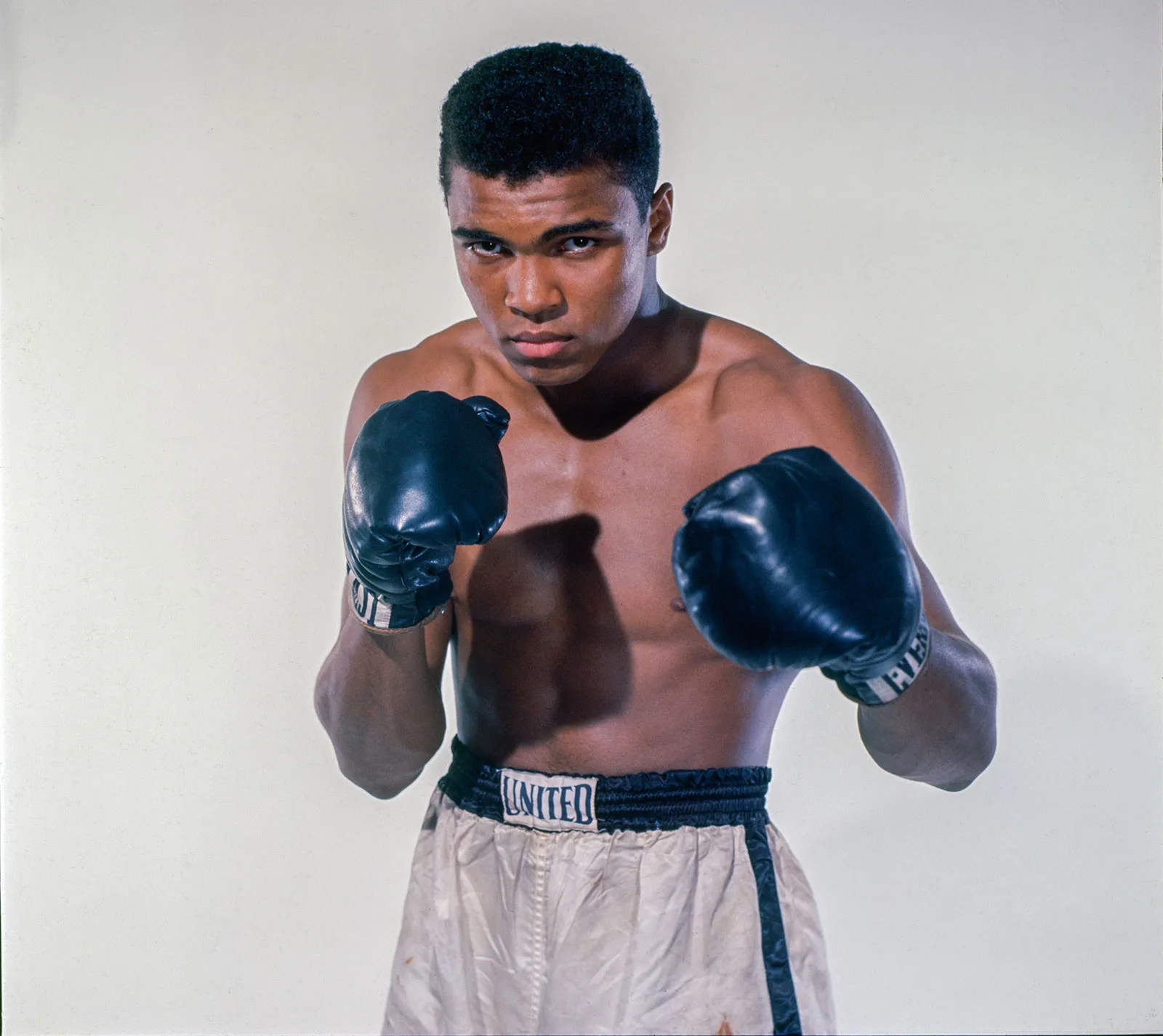
Muhammad Ali was one of the most influential athletes in human history and is widely regarded as one of the greatest boxers of all time. He was known for his incredible skill, speed, athleticism, and supreme confidence, Ali greatly changed the sport of boxing and sports in general with his unique style and personality. He was not only famous for his performances in the ring but also for the way he spoke about the injustices going on around us. The way he carried himself and stood up for his beliefs is what elevated him beyond sports. Born as Cassius Clay, he later changed his name after joining the Nation of Islam, which was an important turning point in both his personal life and sporting career. Throughout his life, Ali became a symbol of strength, determination, and courage.
This website is dedicated to exploring the life and legacy of Muhammad Ali. Visitors can learn about his early life and how he began boxing, his rise to fame, success in his professional career, and the lasting impact he made on sports, culture, and society. The site will also highlight his achievements, challenges, and contributions outside of boxing, including his great role in the civil rights movement. By exploring these pages, users will gain a better understanding of why Muhammad Ali remains an important and respected figure even today.
Early Life
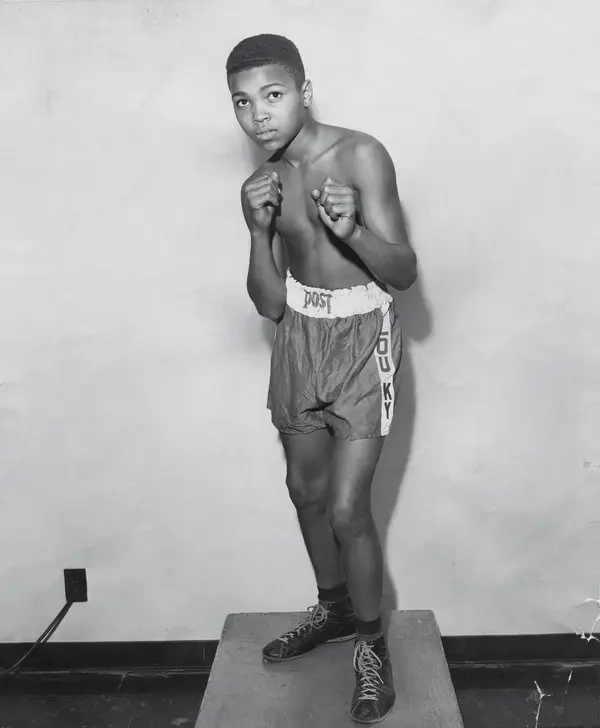
Muhammad Ali was born as Cassius Marcellus Clay Jr. on January 17, 1942, in Louisville, Kentucky. Growing up in a segregated society during the era of Jim Crow, Ali experienced racism at a young age, which helped shape his strong personality and immovable beliefs later in life. As a child, he was energetic, confident, and often very outspoken. His introduction to boxing happened at the age of 12 when his bicycle was stolen. Upset and wanting to find the person who stole, he told a police officer he wanted to “whup” whoever had stolen it. That officer, Joe Martin, was also a boxing trainer, encouraged Ali to join a boxing gym and push him towards something good rather than harbor rage towards whomever stole his bicycle.
Ali quickly developed a passion for boxing and began training seriously. He showed natural talent, speed, determination, and a unique style which helped him stand out from other young fighters. By the time he was a teenager, he had already won several amateur titles. His biggest early achievement came when he won a gold medal in the light heavyweight division at the 1960 Olympic Games in Rome. This victory marked the beginning of his journey to becoming one of the most famous athletes in the world. His early life experiences, both in and out of the ring, played a major role in shaping the man he would become.
Career
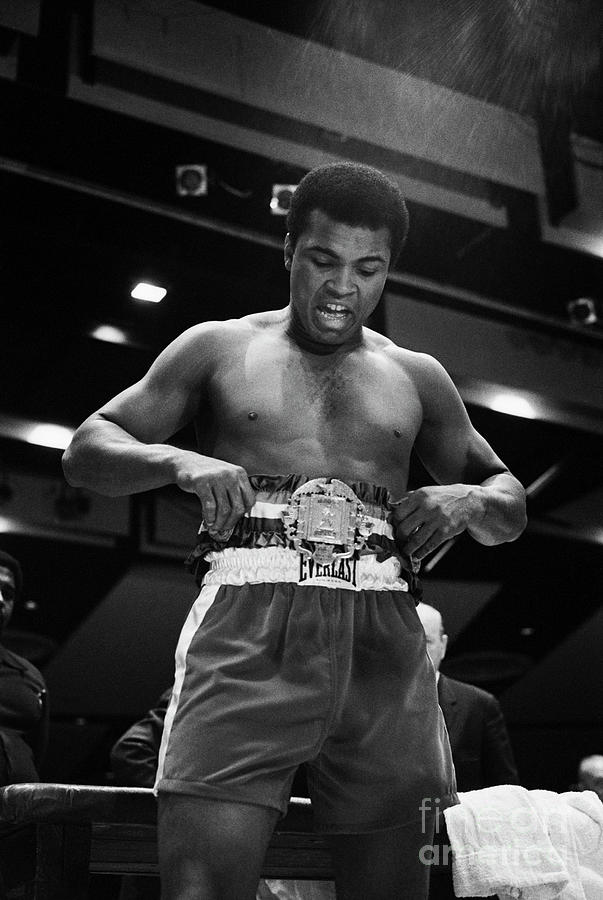
Muhammad Ali's professional boxing career began in 1960 after his Olympic success. He quickly gained attention for his unique fighting style, which focused on speed, agility, smart angles, and movement rather than just power. Ali was known for his famous phrase, “Float like a butterfly, sting like a bee!” which described how he avoided punches while delivering quick and effective strikes. In 1964, he shocked the world by defeating the menacing and titan heavyweight champion Sonny Liston to become the champion of the world. Around this time, he also changed his name from Cassius Clay to Muhammad Ali after converting to Islam.
Throughout his career, Ali faced many legendary opponents and Hall of Famers, including Joe Frazier, George Foreman, Ken Norton, and Earnie Shavers to name a few. His fights, such as the “Fight of the Century” and the “Rumble in the Jungle,” are some of the most famous sporting events in history. Ali's career was not without its challenges, as he was stripped of his title and was banned from boxing for several years and lost the prime of his sporting career after refusing to be drafted into the Vietnam War. Despite this setback, he returned to the ring and regained his heavyweight title, becoming a three time champion. His determination, confidence, and skill made him one of the greatest boxers of all time.
Legacy
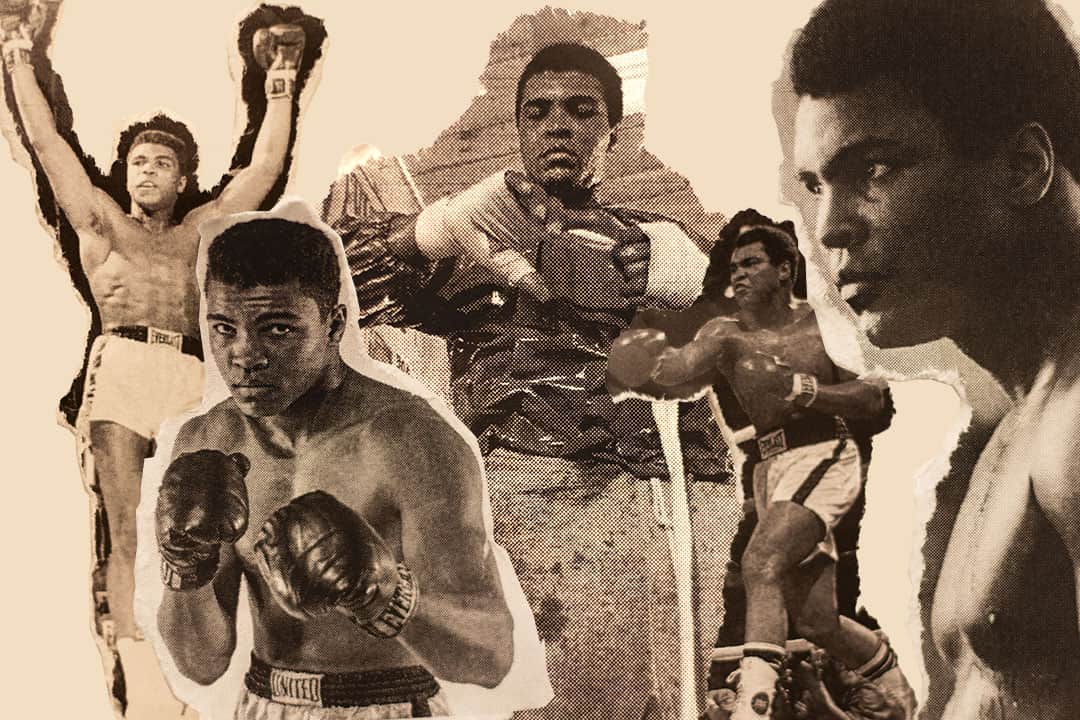
Muhammad Ali's legacy goes far beyond boxing. He became a global symbol of courage, confidence, and standing up for your beliefs. His refusal to be drafted into the Vietnam War made him a very controversial figure at the time, but it also showed his strong commitment to his beliefs and principles. Over time, many people came to respect him for his bravery and willingness to sacrifice his career for what he thought was right. Ali also used his platform to speak out on issues such as racism and social justice, making him an important figure in the civil rights movement.
After retiring from boxing, Ali continued to inspire people around the world through his humanitarian work. He helped raise awareness for important causes and supported organizations focused on health, education, and equality. Even after being diagnosed with Parkinson's disease, he remained a symbol of strength and perseverance. Today, Muhammad Ali is remembered not only as a legendary athlete but also as a cultural icon who changed the world. His impact can still be seen in sports, society, and the way athletes use their voices to stand for change.
Contact
Elements
Text
This is bold and this is strong. This is italic and this is emphasized.
This is superscript text and this is subscript text.
This is underlined and this is code: for (;;) { ... }. Finally, this is a link.
Heading Level 2
Heading Level 3
Heading Level 4
Heading Level 5
Heading Level 6
Blockquote
Fringilla nisl. Donec accumsan interdum nisi, quis tincidunt felis sagittis eget tempus euismod. Vestibulum ante ipsum primis in faucibus vestibulum. Blandit adipiscing eu felis iaculis volutpat ac adipiscing accumsan faucibus. Vestibulum ante ipsum primis in faucibus lorem ipsum dolor sit amet nullam adipiscing eu felis.
Preformatted
i = 0;

while (!deck.isInOrder()) {
    print 'Iteration ' + i;
    deck.shuffle();
    i++;
}

print 'It took ' + i + ' iterations to sort the deck.';
Lists
Unordered
- Dolor pulvinar etiam.
- Sagittis adipiscing.
- Felis enim feugiat.
Alternate
- Dolor pulvinar etiam.
- Sagittis adipiscing.
- Felis enim feugiat.
Ordered
- Dolor pulvinar etiam.
- Etiam vel felis viverra.
- Felis enim feugiat.
- Dolor pulvinar etiam.
- Etiam vel felis lorem.
- Felis enim et feugiat.
Icons
Actions
Table
Default
| Name |
Description |
Price |
| Item One |
Ante turpis integer aliquet porttitor. |
29.99 |
| Item Two |
Vis ac commodo adipiscing arcu aliquet. |
19.99 |
| Item Three |
Morbi faucibus arcu accumsan lorem. |
29.99 |
| Item Four |
Vitae integer tempus condimentum. |
19.99 |
| Item Five |
Ante turpis integer aliquet porttitor. |
29.99 |
|
100.00 |
Alternate
| Name |
Description |
Price |
| Item One |
Ante turpis integer aliquet porttitor. |
29.99 |
| Item Two |
Vis ac commodo adipiscing arcu aliquet. |
19.99 |
| Item Three |
Morbi faucibus arcu accumsan lorem. |
29.99 |
| Item Four |
Vitae integer tempus condimentum. |
19.99 |
| Item Five |
Ante turpis integer aliquet porttitor. |
29.99 |
|
100.00 |